
Filling the Booking Calendar: A B2C Growth Funnel for a Hospitality Business
Filling the Booking Calendar: A B2C Growth Funnel for a Hospitality Business
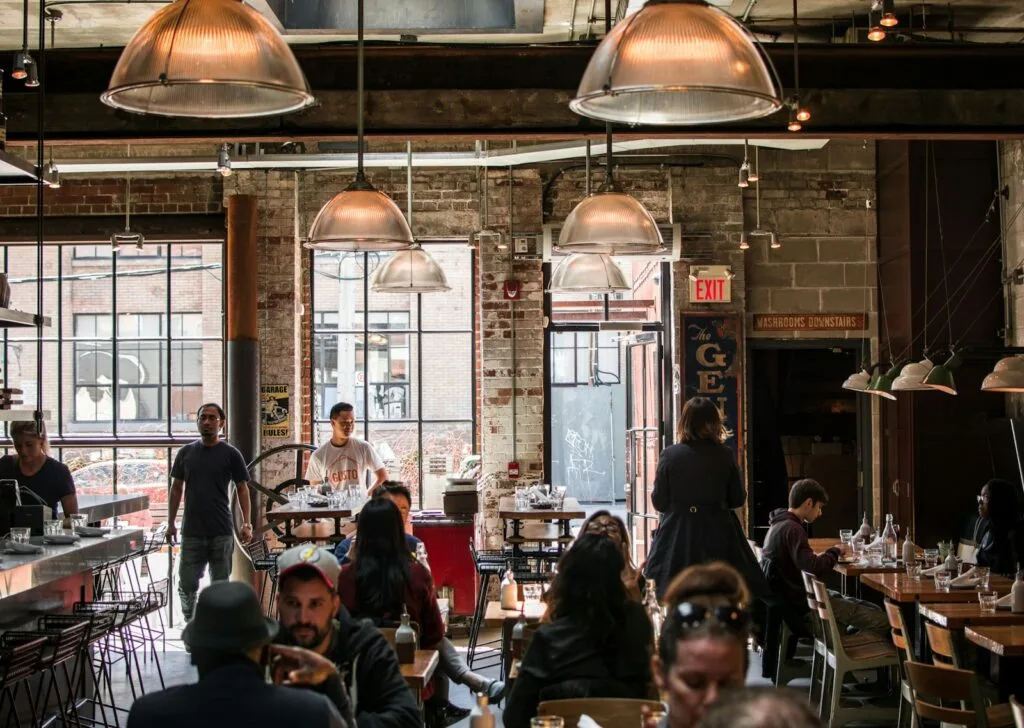
Hospitality businesses live and die by occupancy and covers, and the marketing challenge is unusually unforgiving: unsold capacity on a given night is gone forever, with no way to recapture that lost revenue later. A hospitality client approached Kingacademic with a familiar and costly pattern — strong weekend demand, but consistently weak midweek bookings, and no structured system for filling that gap beyond occasional, unfocused discount promotions that trained regular customers to simply wait for the next offer rather than book at full value.
Diagnosing the Real Problem
The instinct in hospitality is almost always to discount when demand is soft, but discounting without a structural fix simply erodes margin on nights that would have sold anyway, while doing little to genuinely build new midweek demand. The actual problem here was a demand-generation and audience-targeting gap: the business had no consistent way to reach and remind a genuinely interested local audience specifically about midweek availability, relying instead on the same generic social media presence used for every night of the week regardless of actual demand.
Building a Funnel Around Occasion, Not Just Product
The B2C growth funnel built for this client reorganised marketing around specific occasions and audience segments most likely to book midweek — local remote workers seeking a lunch or after-work option, small groups celebrating a low-key midweek occasion, and a loyalty segment of existing customers who, with the right nudge, were genuinely willing to shift some of their visits to quieter nights in exchange for a specific, non-discount-based incentive such as priority booking or a small complimentary addition.
Email and SMS automation, triggered specifically around midweek gaps identified in the booking system, replaced generic blanket promotions with targeted, occasion-specific messaging sent to the segment most likely to respond, while social content shifted toward showcasing the specific midweek experience rather than generic brand content identical every day of the week.
The Data Problem Behind the Marketing Problem

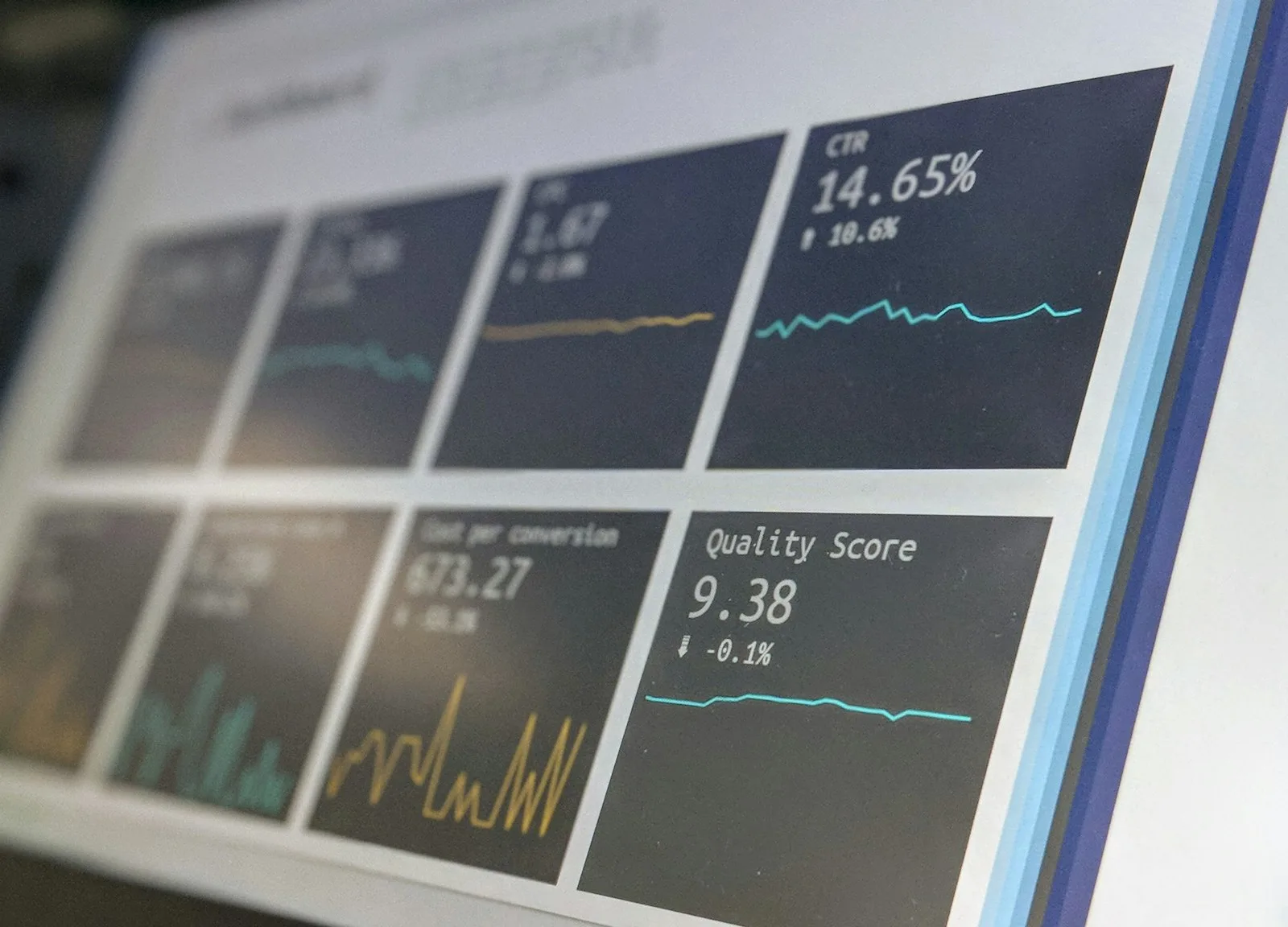
Before any campaign work began, the engagement started by properly connecting the booking system’s data to a reporting view that actually showed occupancy patterns by day of week, by time slot, and by customer segment. Many hospitality businesses operate with a general, felt sense of when demand is weak rather than a precise, data-backed view of exactly which nights, which time slots, and which customer types represented the biggest genuine gap. Building this visibility first meant every subsequent campaign decision was targeted at a specific, measurable gap rather than a vague sense that “midweek is quiet.”
Segmenting the Existing Customer Base Properly
The existing customer database, previously used only for generic blanket promotions, was segmented by actual visit pattern — weekend-only regulars, occasional visitors, and a smaller but valuable group who had, at some point, already visited midweek at least once. This last segment mattered enormously, because they had already demonstrated willingness to visit outside peak times, making them the most efficient audience to target first with midweek-specific offers, rather than starting with the weekend-only regulars who had never shown that behaviour at all.
Local Audience Targeting for New Demand
Beyond the existing customer base, new midweek demand needed to come from somewhere, and local search and social targeting were rebuilt specifically around the audiences most likely to have genuine midweek flexibility — people working nearby during the week, local residents without the same weekend-specific social patterns as visitors from further afield. Content and paid targeting shifted to actively reach this audience with messaging built around midweek-specific value, rather than the same generic weekend-oriented content and targeting used previously regardless of which night was actually being promoted.
Protecting the Weekend Business Throughout
An important discipline throughout this engagement was ensuring that the midweek-focused campaign work never diluted or confused the messaging around the already-strong weekend business, which remained the client’s core revenue driver and needed no structural fix, only continued consistent presence. Running two parallel messaging tracks — reinforcing what was already working for weekends while building something genuinely new for midweek — required deliberate separation in how campaigns were planned and reviewed, rather than blending both into one undifferentiated marketing effort.
What Changed
Midweek bookings grew meaningfully as the targeted campaigns began reaching the right audience with the right message at the right moment, and margin protection improved because the growth came from genuine new demand and audience targeting rather than from discounting nights that would likely have sold regardless. The loyalty segment, given a clear and appealing reason to shift some of their visits midweek, became a reliable, low-cost source of exactly the demand the business had been missing.
Testing Whether Loyalty Members Would Genuinely Shift Behaviour
A meaningful early question was whether existing loyal customers, with well-established weekend visiting habits, would genuinely respond to an incentive to shift some visits midweek, or whether the habit was too entrenched to change regardless of incentive. A small, deliberately limited test campaign, run before committing to a broader rollout, confirmed genuine appetite existed within a specific sub-segment — customers who had previously mentioned wanting a quieter, less crowded experience — giving the team confidence to build a fuller campaign around this validated segment rather than guessing at receptiveness.
The Staffing Question Nobody Had Considered
An operational wrinkle emerged as midweek bookings began growing: staffing levels on previously quiet midweek nights hadn’t been adjusted to match the new, higher demand, creating a genuine risk that service quality would suffer exactly as new customers were being won for the first time. Flagging this early, before it became a genuine service problem undermining the very campaign driving the new demand, required close coordination between the marketing effort and the client’s own operational planning, a reminder that a successful demand-generation campaign creates its own operational obligations that need equal attention.
How the Occasion-Based Segmentation Was Actually Built
Building genuine occasion-based segments required more than guessing at likely customer motivations — the team analysed existing booking data for subtle patterns already present but previously unexamined, such as which existing weekend customers had, even occasionally, booked a midweek slot in the past, and what those bookings had in common. This data-led approach to segmentation, rather than starting from assumption, meant the initial targeting was grounded in genuine, if modest, existing behavioural evidence rather than a purely theoretical guess at who might respond to midweek-specific messaging.
The Local Business Partnership Angle
Beyond direct marketing to individual consumers, the engagement identified an additional midweek demand opportunity in structured partnerships with nearby offices and businesses, offering a specific, simple midweek lunch or after-work package positioned directly to local workplace decision-makers responsible for organising team outings or client entertaining. This B2B-adjacent channel, while smaller in absolute volume than the consumer-focused campaigns, provided a genuinely reliable, recurring source of midweek group bookings that required comparatively little ongoing marketing effort to sustain once the initial relationships were established.
Refining the Non-Discount Incentive Structure
Early testing revealed that the specific non-discount incentives offered to shift loyalty segment visits — priority booking, a small complimentary addition — needed careful calibration to feel genuinely valuable without eroding margin in a different way than a direct discount would have. Several incentive variations were tested over the engagement’s early months, with priority booking access proving unexpectedly more motivating to the target segment than the complimentary food or drink addition initially assumed to be the stronger draw, a reminder that customer motivation in hospitality often has as much to do with convenience and status as with tangible value.
What This Means for the Business Beyond Marketing
The improved midweek performance changed more than the marketing calendar — it gave the business’s ownership genuine, evidence-based confidence to reconsider staffing and even limited menu planning specifically for midweek service, treating those nights as a genuine, distinct part of the business worth deliberate investment rather than a secondary afterthought to the reliably strong weekend trade the business had always focused its attention on by default.
Extending the Approach to Off-Peak Lunch Service
Building on the midweek evening success, the engagement’s later phase applied the same occasion-based, data-led targeting approach to a previously underdeveloped lunch service opportunity, identifying a distinct local audience segment with genuinely different needs and messaging requirements than either the weekend evening or midweek evening segments already addressed.
What the Loyalty Segment Taught the Business About Its Own Customers
The structured engagement with the loyalty segment throughout this campaign revealed genuine customer preferences and motivations the business hadn’t previously had visibility into, insight that began informing decisions well beyond the marketing campaign itself, including specific menu and service adjustments the ownership team implemented based directly on patterns observed in customer feedback gathered during the campaign.
Building a Referral Loop From Satisfied Midweek Customers
As midweek bookings grew, a structured referral mechanism specifically targeting the newly engaged midweek segment extended the campaign’s reach further, since customers who discovered and genuinely valued the midweek experience for the first time proved to be enthusiastic, credible advocates recommending it to friends with similarly flexible schedules.
Measuring the True Margin Impact, Not Just Revenue
Beyond simple booking volume, a detailed margin analysis specifically isolating the midweek campaign’s true profitability, accounting for the modest cost of incentives and any additional staffing, confirmed the growth was genuinely accretive to the bottom line rather than simply moving revenue around without improving underlying profitability.
What Ownership Learned About Their Own Assumptions
The engagement directly challenged several assumptions ownership had long held about midweek demand being fundamentally, permanently limited, replacing that assumption with concrete evidence that the previous weakness had been a targeting and communication gap rather than a genuine, unchangeable ceiling on demand.
How the Booking System Data Continued Informing Strategy
Beyond the initial diagnostic phase, ongoing analysis of booking system data became a permanent, embedded part of how the business planned promotional activity going forward, replacing the previous instinct-driven approach with an ongoing discipline of checking actual patterns before launching any new campaign.
Extending Occasion-Based Thinking to Special Events
The same occasion-based segmentation logic developed for regular midweek demand was subsequently applied to planning around specific calendar events and local occasions, extending the underlying strategic thinking well beyond its original midweek-focused starting point into a broader, ongoing demand-planning capability for the business.
Building Toward a Genuinely Balanced Weekly Business
Where the business had once operated with a stark divide between thriving weekend trade and quiet, under-invested midweek nights, the cumulative effect of this engagement moved the business toward a considerably more balanced weekly performance, reducing the operational and financial strain of such an uneven demand pattern and giving the ownership team a genuinely more resilient, less weekend-dependent business overall.
What the Team Would Do Differently Starting a Similar Engagement Again
In retrospect, both the Kingacademic team and the client agreed the engagement could have moved slightly faster in its earliest weeks had the initial data diagnostic phase been scoped with a tighter timeline from the outset, a minor but genuine lesson about balancing thoroughness against the understandable client urgency to see visible campaign activity begin as soon as possible.
Building a Simple Weekly Reporting Rhythm for Ongoing Management
To ensure the improved midweek performance remained sustained rather than gradually eroding once the initial campaign excitement faded, a simple, lightweight weekly reporting rhythm was established, giving the ownership team an ongoing, easy way to monitor midweek performance against the new baseline without requiring the same intensity of analysis that characterised the original diagnostic phase.
How Staff Themselves Became Advocates for the New Approach
As midweek nights grew busier and more financially rewarding for staff working those shifts, front-of-house team members became genuine, enthusiastic advocates for the new approach, actively mentioning midweek availability and incentives to customers during weekend service, extending the campaign’s reach through exactly the kind of authentic, front-line advocacy that no amount of paid marketing could fully replicate.
The Longer-Term View on Business Resilience
Beyond the immediate financial improvement, ownership specifically valued the increased resilience a more balanced weekly performance provided against future disruption, recognising that a business no longer so heavily dependent on weekend trade alone carries considerably less risk should any future circumstance specifically affect weekend footfall in ways outside the business’s own control.
Applying the Same Discipline to Future Business Decisions
Beyond the marketing results themselves, ownership specifically noted that the structured, data-first diagnostic approach used throughout this engagement had changed how they now approach other business decisions entirely, from menu planning to staffing, bringing the same discipline of checking real data before acting on instinct into parts of the business well beyond marketing.
This engagement ultimately proved that even a well-established hospitality business with decades of operating history can uncover meaningful, previously invisible growth simply by applying rigorous data analysis and targeted strategy to a demand pattern long assumed to be an unchangeable fact of the business.
How This Case Fits a Broader Pattern in Hospitality Marketing
This engagement reflects a pattern Kingacademic sees repeatedly across hospitality clients: businesses instinctively reach for discounting when facing a demand gap, when the more sustainable, margin-protecting fix usually lies in better targeting and segmentation of an audience that already exists but has simply never been reached with the right message at the right moment. The discipline of diagnosing before discounting consistently produces more durable results than the reflexive alternative.
What the Ownership Team Would Tell Other Hospitality Operators
Reflecting on the full engagement, ownership specifically highlighted the value of treating booking data as a genuine strategic asset rather than simply an operational record, a shift in mindset they now actively encourage other hospitality operators in their own network to consider, having seen firsthand how much previously invisible opportunity that data revealed once properly analysed.
Sustaining Momentum Beyond the Initial Engagement
With the underlying data infrastructure and targeting discipline now embedded into how the business operates, the improved midweek performance shows every sign of being genuinely sustainable rather than a temporary campaign effect, since the fix addressed a genuine structural targeting gap rather than relying on a time-limited promotional push that would naturally fade once attention moved elsewhere.
What started as a targeted fix for one specific demand gap ultimately gave this hospitality business a considerably more resilient, data-informed way of operating that will continue paying dividends well beyond the original midweek problem it was built to solve.
How This Data-Led Approach Changed Menu Planning Decisions
The disciplined, data-first approach established during this engagement subsequently informed a menu planning decision entirely separate from the original marketing scope, with ownership choosing to test a new midweek-specific menu offering based directly on the same kind of rigorous, evidence-based reasoning the marketing diagnostic had modelled, rather than the more intuition-driven approach previously used for menu decisions.
What Regular Customers Said About the Change
Informal feedback gathered from regular customers throughout the engagement consistently described appreciation for the more relaxed, less crowded midweek experience being actively promoted, with several specifically noting they hadn’t previously realised midweek visits were an option worth considering until the targeted campaign brought it to their attention directly.
The business today operates with a considerably more balanced, resilient weekly rhythm than the one that first prompted this engagement, a change ownership now considers permanent rather than a temporary campaign effect.
How the Ownership Team Now Trains New Staff on This Approach
The data-led, occasion-based thinking developed during this engagement has since been incorporated into how the business trains new front-of-house and management staff, ensuring the underlying discipline behind the midweek success isn’t dependent purely on the specific individuals involved in the original engagement, but becomes a genuine, transferable part of how the business operates going forward regardless of staff turnover.
What This Case Suggests for Similar Hospitality Businesses Nationally
Given how common the weekend-strong, midweek-weak pattern is across the wider hospitality sector, the underlying diagnostic and targeting approach developed here offers a genuinely transferable model for other operators facing an almost identical structural challenge, suggesting the opportunity uncovered in this specific case likely represents a much broader, largely unaddressed pattern across the sector.
Extending the Framework to Seasonal Holiday Planning
Building further on the occasion-based thinking developed throughout this engagement, the business began applying the same rigorous, data-first approach to planning around major seasonal holiday periods, treating each as its own distinct demand pattern worth dedicated analysis rather than defaulting to whatever promotional approach had simply been used in previous years without genuine review.
What This Engagement Ultimately Proved About Assumption Versus Evidence
If this engagement demonstrated one thing above all else, it’s the genuine gap between what a business assumes about its own demand patterns and what the underlying data actually shows once properly examined — a gap that, once closed, revealed meaningful, previously invisible opportunity sitting quietly within data the business had been collecting for years without ever analysing it this closely.
The lesson here extends to any hospitality business assuming a quiet period is simply an unchangeable fact of the calendar rather than a solvable targeting problem.
How the Business Now Approaches Any New Growth Question
Every new growth question the ownership team now considers — a new menu category, a new service offering, an expansion into a second location — passes through the same disciplined, data-first evaluation process this engagement established, ensuring the underlying lesson from this specific midweek success generalises into how the business approaches strategic decisions far beyond marketing alone.
This single, disciplined transformation continues paying dividends across parts of the business well beyond the original marketing engagement.
A Closing Thought on Data-Driven Hospitality Marketing
This case demonstrates that even a business with genuine, long-standing operational excellence can uncover meaningful new growth simply by looking more closely at data it already had, proving that rigorous analysis, not bigger budgets, was the real unlock this business needed all along.
How Kingacademic Approaches Hospitality Clients
Filling structural demand gaps without resorting to margin-eroding discounting is a recurring theme across hospitality engagements, addressed through the same funnel-stage thinking taught in our B2C Growth Funnel Marketing in Practice course, applied to the specific rhythm of a hospitality booking calendar.